Add your promotional text...
Optimizing EHR Workflows: Small Changes That Create Significant Time Savings
Blog post description.
Tina Hughes
1/26/20264 min read
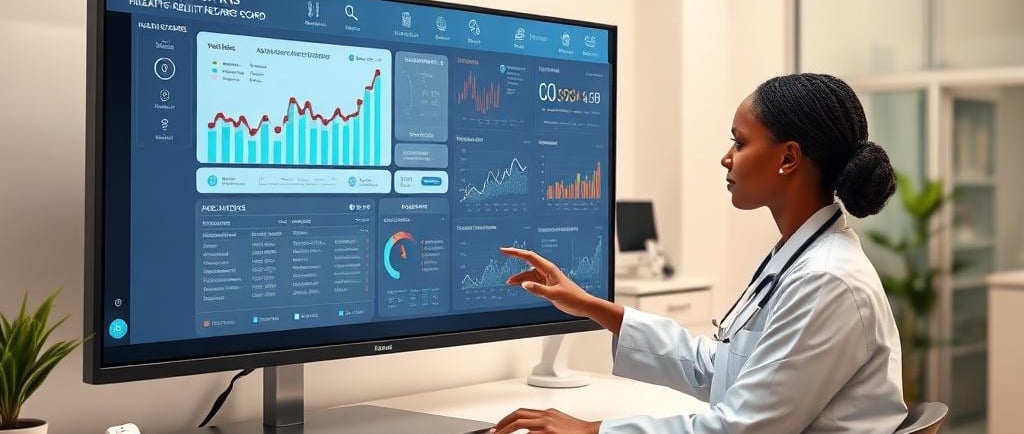

Optimizing EHR Workflows: Small Changes That Create Significant Time Savings
For healthcare professionals navigating daily EHR systems, the cumulative effect of inefficient workflows creates a substantial burden. Research consistently demonstrates that clinicians spend one half to two thirds of each workday on EHR and desk work instead of on direct patient care. However, strategic workflow optimization through targeted small changes can reclaim meaningful time for patient care. Understanding which specific modifications deliver measurable results helps digital health professionals guide their organizations toward genuinely effective solutions.
The Reality of Documentation Burden
The documentation challenge extends beyond simply spending time in the EHR. U.S. physicians' notes are four times as long as their counterparts in other countries, reflecting systemic issues with note bloat and excessive documentation requirements. Providers spend over 16 minutes using the EHR per patient encounter, time that accumulates dramatically across daily patient volumes. For clinicians seeing 20 or more patients daily, inefficient workflows can consume hours that could otherwise support direct patient care or reduce after hours documentation work.
Evidence Based Optimization Strategies
Recent research demonstrates that specific workflow modifications produce measurable time savings. A study on ambient clinical documentation technology found that clinicians using the ambient clinical documentation tool spent 8.5% less total time in the EHR than their matched controls, with more than a 15% drop in time spent composing notes specifically. A clinician who sees 20 patients per day and saves two or three minutes per patient by using an ambient AI scribe could recoup multiple hours per week.
Another optimization initiative achieved remarkable results through systematic workflow refinement. An EHR optimization Sprint process at the University of Colorado Health significantly increased EHR satisfaction, with Net Promoter Score increasing from negative 15 to positive 12, and reduced documentation time for clinicians. The intervention combined three elements: training clinicians to use the EHR more efficiently, streamlining multidisciplinary clinic workflows, and building new specialty specific EHR tools.
Smart Phrases and Templates
One of the most accessible yet underutilized efficiency tools involves smart phrases, also called dot phrases. These preformatted text blocks allow clinicians to insert commonly used documentation through simple shortcuts. Research examining their implementation found that the literature has demonstrated that DotPhrases decrease documentation time.
Smart phrases work most effectively when customized to individual practice patterns and specialty needs. Rather than relying solely on pre built system templates, clinicians benefit from creating personalized shortcuts for their most frequent documentation scenarios. However, balance remains important. Excessive use of lengthy smart phrases can contribute to note bloat, making records cumbersome for other clinicians to review.
Keyboard Shortcuts and Navigation Efficiency
While seemingly minor, keyboard shortcuts for common EHR functions accumulate significant time savings across numerous daily interactions. Learning and consistently applying keyboard shortcuts for frequently performed actions requires initial investment but delivers ongoing returns. Organizations supporting this learning through readily available reference materials and periodic refresher training help clinicians develop and maintain these efficiency habits.
Template and Order Set Optimization
Standardized templates and order sets streamline repetitive clinical workflows. When thoughtfully designed for common clinical scenarios, these tools reduce the cognitive load and navigation time required for routine tasks. Healthcare organizations implementing optimized order sets report faster order placement for common conditions and procedures. Rather than individually searching for and selecting each component, clinicians can select from curated sets of commonly associated orders, allowing more time for clinical decision making and patient interaction.
Nursing Documentation Redesign
A study focusing specifically on nursing workflow optimization achieved measurable improvements through systematic documentation redesign. The study results align with the National Library of Medicine's "25 × 5" goal to decrease documentation burden by 75% by 2025. The intervention implemented standards for usability modifications targeting efficiency, reducing redundancy, and improving workflow navigation. Staff feedback was overwhelmingly positive with regard to template organization, documentation structure, and time savings. This success demonstrates that optimization efforts focusing on actual clinical workflows, rather than simply technology features, produce results that frontline clinicians value and utilize.
Eliminating Low Value Documentation
Some of the most impactful optimization comes from removing unnecessary documentation requirements. Hawaii Pacific Health implemented an EHR campaign called "Getting Rid of Stupid Stuff," in which physicians and nurses across the system were asked by senior leadership to nominate anything in the EHR that they felt was "poorly designed, unnecessary, or just plain stupid". Seventy eight percent of the requests came from nurses, and most nominations were about eliminating documentation that was not required by regulations or internal policies.
This approach acknowledges that documentation requirements often accumulate over time without systematic review. Regular evaluation of which data elements genuinely serve clinical care, quality measurement, or regulatory requirements versus which represent legacy habits helps organizations maintain lean, purposeful documentation.
Measuring and Sustaining Improvements
Successful workflow optimization requires measuring actual impact rather than assuming improvements from implementation. Organizations should track specific metrics including time spent on documentation, number of clicks for common workflows, and user satisfaction measures. These data points help identify which changes deliver meaningful benefits and which require further refinement.
Ongoing optimization cannot be a one time project. As clinical needs evolve, regulatory requirements change, and new EHR features become available, continuous attention to workflow efficiency ensures systems continue supporting rather than hindering clinical practice.
The Path Forward
EHR workflow optimization through small, targeted changes represents a practical approach to reducing documentation burden without requiring major system overhauls or substantial financial investment. The cumulative effect of multiple modest improvements creates meaningful time savings that accumulate across thousands of patient encounters.
For digital health professionals, understanding which specific workflow modifications produce measurable results enables more effective advocacy for changes that genuinely support clinicians. Success requires systematic attention to actual user workflows, willingness to iteratively refine approaches based on feedback, and ongoing commitment to maintaining optimized systems over time. When implemented thoughtfully, these small changes create the significant time savings that allow healthcare professionals to focus on what matters most: delivering excellent patient care.
References
Erlanger Health System. (2019). EHR Optimization Case Study. Referenced in National Academy of Medicine. (2020). Electronic Health Record Optimization and Clinician Well Being: A Potential Roadmap Toward Action. National Academies Press.
Monahan, M., et al. (2021). Implementing Best Practices to Redesign Workflow and Optimize Nursing Documentation in the Electronic Health Record. CIN: Computers, Informatics, Nursing, 40(7), 441-448.
Pearlman, K., et al. (2025). Use of an AI Scribe and Electronic Health Record Efficiency. JAMA Network Open.
Shafiei, M., et al. (2024). Utilization and Efficacy of DotPhrases in the Electronic Medical Record for Improving Physician Documentation. Cureus, 16(5).
University of Colorado Health. (2018). EHR Sprint Optimization Program. Referenced in National Academy of Medicine report.
Contact
Get in touch for collaboration opportunities.
Connect
tina@tinahughes.com
© 2025. All rights reserved.